Smart Medical Devices
High performance Master Bond adhesive systems are utilized for the assembly of smart medical devices. These epoxy, silicone, cyanoacrylate, and UV/visible light curing systems are desirable for bonding dissimilar substrates ranging from metals, plastics, ceramics, glass, and composites.
Different Master Bond grades are frequently employed for adhering stainless steel, titanium, aluminum, silicone rubber, alumina, zirconia, polycarbonate, PEEK, PEI, silicon, ABS etc. for construction of these devices. These adhesive products feature the following vitally important characteristics:
- meet biocompatibility standards such as USP Class VI requirements and ISO 10993-5 for cytotoxicity
- robust strength
- seal and protect devices from moisture, body fluids, common disinfectants, contaminants etc.
- distinguished for reducing the weight and size of medical devices
- withstands various sterilization methods including autoclaving, ethylene oxide, gamma radiation, hydrogen peroxide, peracetic acid etc.
- grades can be cured by heat, UV / visible light, moisture or at room temperature
- thermal/electrical conductivity or electrical insulation properties
- opaque or transparent
- thermal stability
- even stress distribution
- compatibility with automated dispensers
Master Bond has been at the forefront in developing technologically advanced bonding, sealing, coating and potting compounds for smart medical devices. Working in collaboration with our customers has enabled Master Bond to utilize our expertise to contribute solutions for complex requirements. As this ever-growing market is expanding expeditiously, our meticulous efforts will give our customers a competitive edge.
Master Bond products are capable of being utilized in smart medical devices such as:
- pulse oximeter
- blood pressure monitors
- blood glucose monitors
- heart rate monitors
- fitness trackers
- biosensors
- smart thermometers
- hearing aids
- smart bed
- smart pill technology
- smart inhalers and medical devices for respiratory care
- telehealth platforms
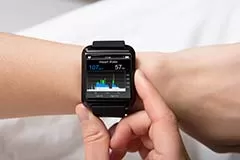
- smart watches
- wearable devices
- smart clothing
- glucometer
- posture correctors
- sleep trackers
Key end-use markets for transformative devices are:
- hospitals and clinics
- rehabilitation and long-term care facilities
- homes
- ambulances
- scientific research facilities
- telemedicine and remote healthcare
Advantages of smart medical devices:
- improved diagnosis, treatment, patient monitoring
- increased patient engagement
- real time health data tracking
- error reduction
- more efficiency in healthcare system
- remote care delivery
- preemptive detection of health changes
- time saving
- medication plan adherence
- promotes patient lifestyle modification
- more informed decision making
- adjusting treatment to compensate for patient’s condition
- reduce hospitalizations
- better care
Some examples of significant applications for adhesives in smart medical devices:
- attachment of sensors to fitness trackers or smart watches
- dielectric resins for encapsulation and sealing selective electronic components from moisture, dust, water ingress to maintain device reliability
- flex circuit bonding to other components
- antenna integration to insure optimal signal transmission and reception
- display bonding with adhesives that possess high strength and optical clarity
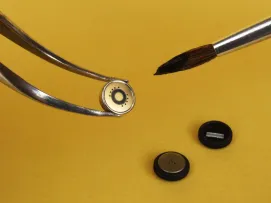
- bonding batteries to smart medical devices to prevent unwanted movement or detachment
- adhesives bonding reservoirs, needles to assure leak-free connections for dry delivery devices
- thermal interface material for bonding heat pipes, heat sinks to electronic components for effective heat dissipation to prevent overheating
- bonding agents capable of high temperature exposure without degrading
- electrically conductive adhesives for grounding, EMI shielding, bonding electronic components to PCBs and for sensor integration
- biocompatible polymeric compounds for adhering tubing, connectors in catheters
- joining sensors, microcontrollers to textile substrates for e-textiles component bonding